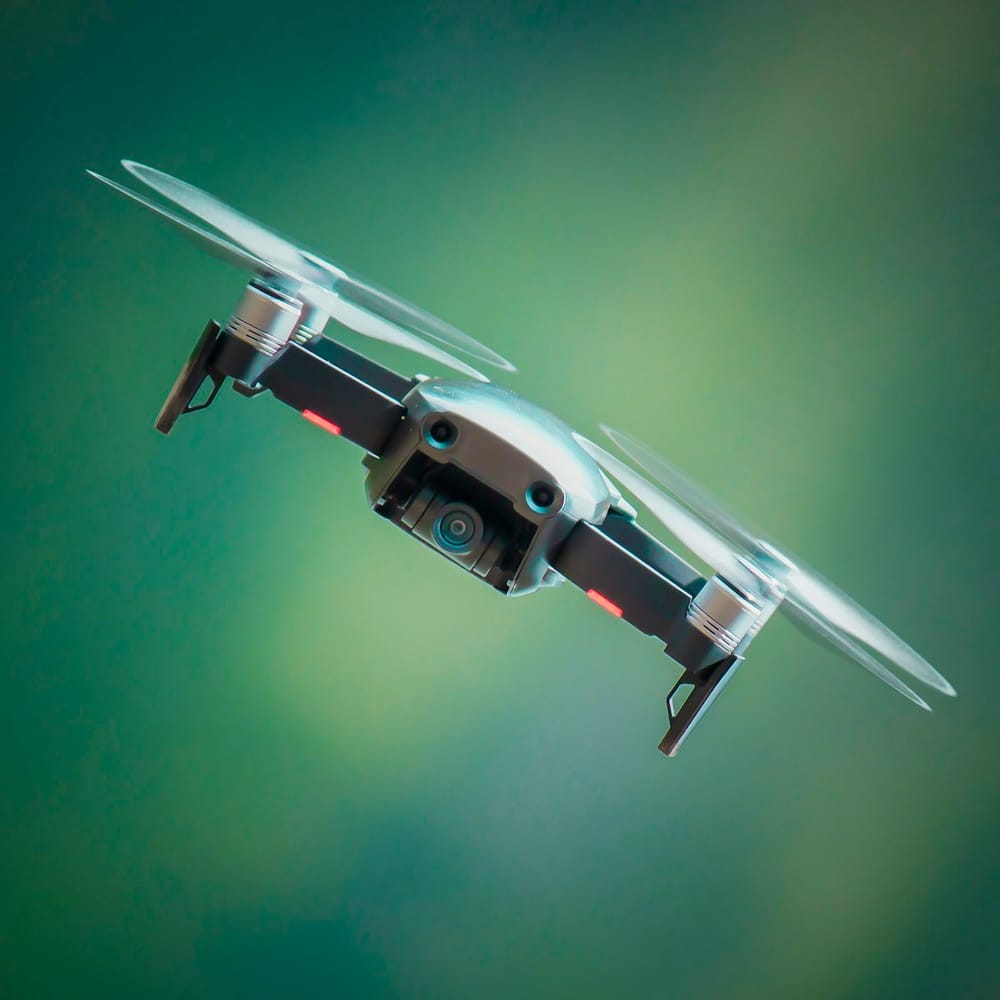
5 Things DJI Doesn't Tell You About the Avata 360
The marketing says "8K 360° FPV innovation." The reality? More complicated.
DJI's Avata 360 launch on March 26, 2026 promised a revolution: the world's first consumer drone combining immersive FPV flight with 8K 360-degree cameras. The specs sound incredible—dual 1/1.1-inch sensors, omnidirectional obstacle avoidance, 20km transmission range, AI-powered post-production tools. Reviews echoed DJI's enthusiasm, calling it "brilliant" and "a game-changer."
But as early adopters started flying, a different picture emerged. Firmware nightmares. Battery life that didn't match the box. Video quality that looked softer than expected. And a fundamental design choice that split the FPV community down the middle.
DJI's marketing shows the best-case scenario. Here's what happens in the real world.
1. Firmware Setup Is a Multi-Device Nightmare
You unbox the Avata 360, charge the battery, and prepare for your first flight. Except you can't launch—the app says "outdated firmware." So you update the drone. Then the RC 2 controller. Then your smartphone app. Then the motion controller. If you bought the goggles, those need updating too.
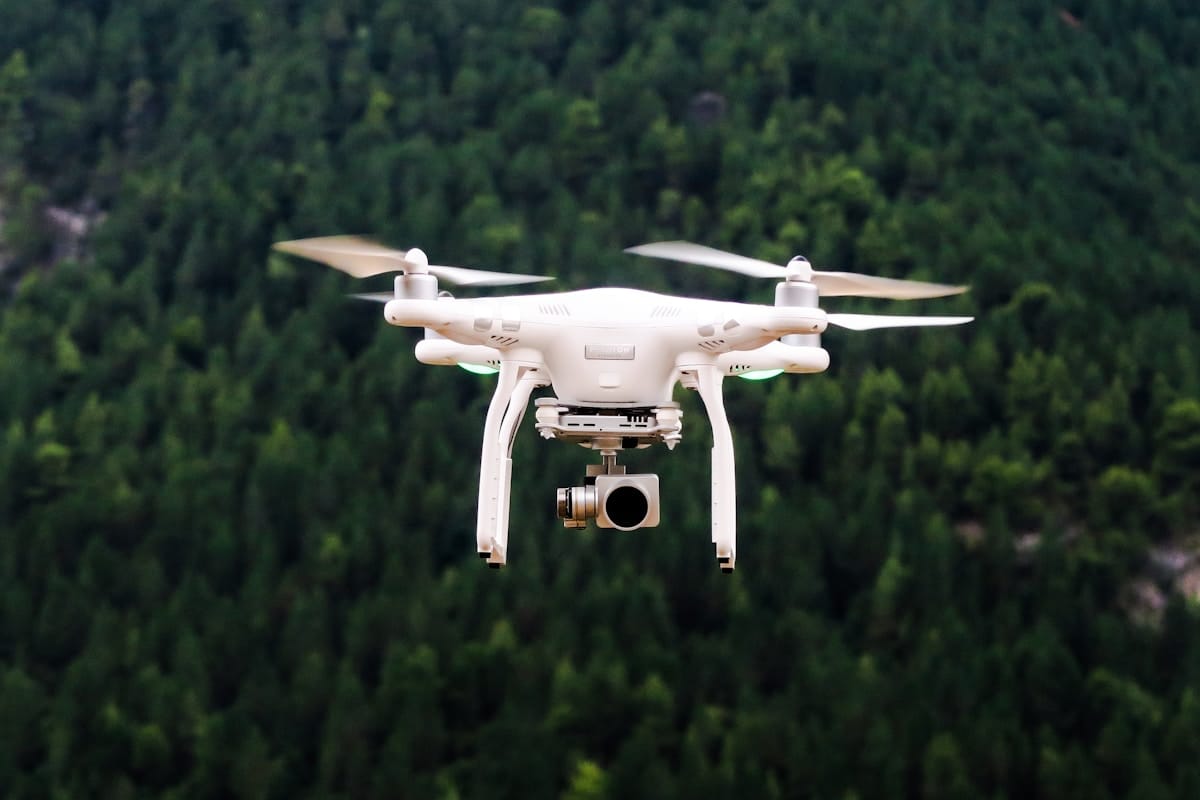
Each device requires its own update cycle. Each update takes 5-15 minutes. Miss one, and the drone won't launch. As one reviewer noted after skipping an update: "The drone blocked me from launching due to 'outdated firmware'—especially annoying when you're already on location."
This isn't a one-time setup. DJI pushes regular firmware updates, and devices won't talk to each other if their versions drift out of sync. For professional shoots where you need to be ready fast, this adds friction that DJI's "unbox and fly" marketing doesn't mention.
> Four devices + one app = one of the most complex setups in DJI's lineup
Why it happens: DJI's ecosystem spans multiple devices with independent firmware cycles. The coordination required to keep everything compatible creates bottlenecks that beginners don't expect.
2. Video Is Less Sharp Than DJI's Other Drones
The Avata 360 shoots 8K/60fps. On paper, that matches or exceeds DJI's Mini, Air, and Mavic lines. So why does the footage look softer?
The answer lies in stabilization. Traditional DJI drones use a physical gimbal—a motorized mount that keeps the camera level even when the drone tilts. The Avata 360 can't do that. Its 360° camera setup is fixed to the drone body, so when wind pushes the drone sideways, the camera tilts with it.
Instead of a gimbal, DJI uses electronic stabilization—the same approach action cameras use. Software crops and warps the image to smooth out motion. That works, but it introduces motion blur and artifacts in low light. As Engadget's reviewer discovered: "If you shoot in a moderate breeze at an unlucky angle, the drone will tilt to fight the wind, and your shot will end up just a little Dutch."
> Gimbal stabilization beats electronic (still true in 2026)
You're trading gimbal-smooth footage for 360° flexibility. That's a valid trade-off—but it means the Avata 360 won't deliver the razor-sharp stabilization DJI's other drones are known for.
Who this affects most: Creators used to DJI's Mini or Air drones expecting the same image quality. The Avata 360 plays by different rules.
3. Real-World Battery Life: 16 Minutes, Not 23
DJI claims 23 minutes of flight time. In practice? Expect 16 minutes with active recording.
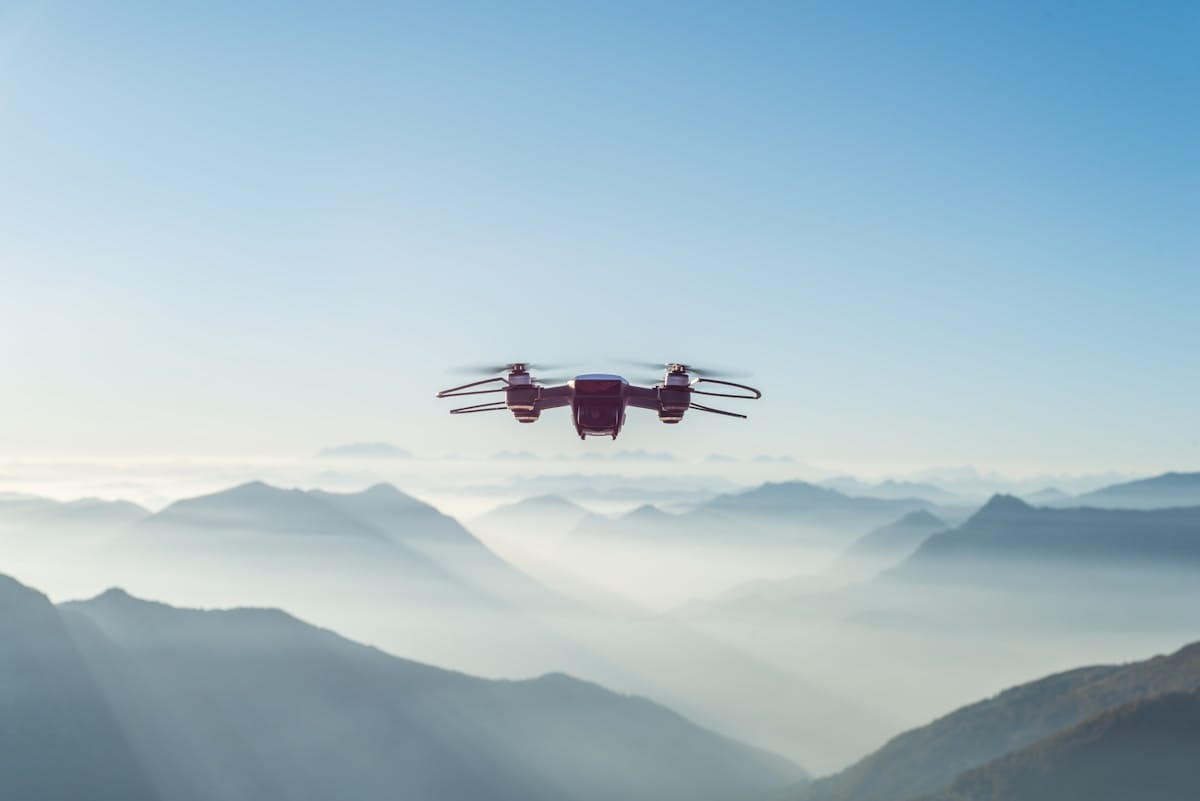
That's not unusual—most drones fall short of their rated flight time under real conditions. But 16 minutes is tight when you're shooting 360° content that requires multiple takes. You'll burn through batteries fast, especially if you're learning the workflow and making mistakes.
Two other missing features compound the problem:
- No ND filters. In bright daylight, you'll overexpose shots without neutral density filters to control light. DJI doesn't include them, and third-party options are limited.
- No full manual mode via FPV Remote Controller 3. The Avata 2 hits 27 m/s in Manual mode. The Avata 360 maxes out at 18 m/s and doesn't offer full manual control through the RC3. If you want aggressive flight, you'll need the motion controller—which adds another device to manage.
> 16 minutes is realistic, not 23 minutes (marketing claim)
Bottom line: The Fly More Combo isn't optional. It's required. Budget for 3-4 batteries minimum if you're doing serious work.
4. Editing 360° Footage Takes Serious Time
Shooting 360° is easy. Editing it is not.
Unlike traditional video where you frame your shot during the flight, 360° capture postpones that decision to post-production. You're recording everything, then choosing your framing later using DJI Studio's Virtual Gimbal and AI tracking tools.
That sounds liberating—and it is, for creators with time and skill. But it also means:
- Cropping a 16:9 frame from 8K 360° footage degrades image quality. You're extracting a smaller section from a spherical image, so detail drops when you zoom.
- Frequent reframing requires manual correction. The 360° lens creates distortion that software tries to fix, but you'll still tweak shots by hand.
- Export times multiply. Rendering 360° footage with Virtual Gimbal adjustments takes longer than exporting standard 4K.
DroneXL's review summed it up: "Editing 360-degree footage can be time-intensive, requiring more effort compared to standard video editing workflows."
Who suffers most: Run-and-gun creators who need to deliver content fast. The Avata 360 rewards patience, not speed.
Who benefits: Multi-platform creators who want to export one flight as widescreen for YouTube, vertical for TikTok, and immersive VR for Meta Quest. The time investment pays off when you're repurposing content across formats.
5. You're Buying Into an Experiment, Not a Proven Category
The Avata 360 isn't an upgrade to the Avata 2. It's a parallel product testing a hypothesis: Is there a market for 360° FPV content creation?
DJI's FPV strategy has pivoted before:
- 2021 (DJI FPV): Chase the racing market with 87mph Manual mode.
- 2022 (Avata 1): Pivot to safety-first cinewhoops for indoor content.
- 2024 (Avata 2): Refine the cinewhoop formula with incremental upgrades.
- 2026 (Avata 360): Experiment with 360° + FPV fusion.
The first three moves followed clear demand. The Avata 360 is different—it's creating demand, not responding to it. DJI is betting that multi-platform creators, action sports filmers, and real estate professionals want this workflow badly enough to learn new editing skills and tolerate the trade-offs.
Early community reactions are mixed. FPV purists call it "not a real FPV drone" because it lacks Manual mode and tops out at 18 m/s. Content creators embrace it as a storytelling innovation. Some pre-order buyers are reconsidering after noticing that major reviewers (Casey Neistat, Peter McKinnon) haven't weighed in yet.
> Innovation with asterisks — not risky but definitely experimental
If the Avata 360 succeeds, it'll get a successor and become mainstream. If it flops, the Avata 2 remains the flagship and the 360 becomes a niche oddity.
Key indicator to watch: Sales data from Q2 2026 and community adoption after six months of real-world use.
Who Should (and Shouldn't) Buy the Avata 360
✅ You'll Love It If:
- You create content for YouTube, TikTok, and VR from a single shoot
- You film action sports where you can't reshoot (skateboarding, mountain biking, parkour)
- You produce real estate virtual tours
- You have time and skill for post-production experimentation
❌ Skip It If:
- You're an FPV racer (too slow, no Manual mode)
- You need fast turnaround times (editing = time-intensive)
- You're a US buyer (regulatory headache, third-party imports only)
- You don't have editing experience (steep learning curve)
The Verdict: Innovation With Asterisks
The Avata 360 delivers on its core promise: 8K 360° FPV capture with omnidirectional obstacle avoidance and flexible post-production. When it works, it's genuinely impressive—flying with goggles while capturing an entire environment is unlike anything else in the consumer drone space.
But it's not the plug-and-play experience DJI's marketing suggests. Firmware coordination, editing complexity, and battery constraints add friction that casual users won't tolerate. The video quality won't match your expectations if you're coming from a Mini or Air. And you're adopting a workflow that the industry hasn't fully validated yet.
As one reviewer put it: "The Avata 360 is incredible if you want to experiment, reframe shots, or push creative boundaries—but it comes with more post-production work and a slightly steeper learning curve."
DJI doesn't tell you that in the launch video. Now you know.
Sources
Launch Coverage:
- The Drone Girl — DJI Avata 360 specs & details
- DroneLife — 8K 360° FPV for creators
- DroneDJ — Global debut, US must wait
In-Depth Reviews:
- TechRadar — Part 360, part FPV, all brilliant
- Tom's Guide — King of 360-degree drones
- Engadget — 360 video hits new highs
- ProVideo Coalition — Firmware frustrations
- DroneXL — Full review: pros & cons
Comparisons:
- The Drone Girl — Avata 360 vs Avata 2
- Heliguy — Avata 360 vs Avata 2 specs
- Tom's Guide — Avata 360 vs Antigravity A1
Community Reactions:
Technical Analysis:
- Geeky Gadgets — Battery life reality check
- 4K Shooters — Redefining aerial storytelling
- The Gadget Flow — Use case guide